COSMETIC PROCEDURES FOR MEN

December 30th, 2011

Men have become an increasingly common presence in the plastic surgeon’s office. Competition in the workplace and the prevailing youth culture have combined to create a desire for self-improvement that may not have seemed as important 15 or 20 years ago. The minimal downtime procedures performed today make their acceptance amongst busy professional men and women very high. The most frequent non-surgical procedures men are having done in our office are BOTOX® Cosmetic, injectable fillers, and Ultherapy®. Surgery often is performed to treat baggy eyelids, excess neck, hip, and tummy fat, and gynecomastia or male breast enlargement.

NON-SURGICAL

BOTOX® Cosmetic

Botox® Cosmetic provides a non-surgical way of reversing the crow’s feet, laugh lines, and frown lines produced by the underlying contraction of facial muscles. It works by enabling a smooth skin appearance as a result of blocking the muscle contraction and overlying skin wrinkling produced by nerve impulses. The untreated muscles will allow for normal facial expression to remain unaffected. The treatment lasts from 4-6 months and is performed 2-3 times per year to maintain youthful appearing skin.

Injectable Fillers

Injectable dermal fillers composed of hyaluronic acid, such as JuvedermUltra and Ultra Plus, Restylane®, and Perlane® are indicated in the treatment of folds, wrinkles, or hollowing that results from facial aging. By adding volume, wrinkles and folds appear smoother and facial contours appear more youthful. The duration of effect is up to 12 months.

48 year old male before treatment

6 years following ongoing treatment with Restylane®

Another filler we offer is Sculptra® Aesthetic. This product is composed of poly-L-lactic acid (PLLA), an injectable biocompatible material that stimulates the production of the skin’s own collagen. The natural appearing restoration of youthful facial contours is made possible by the skin thickening that results from the gradual deposition of the new collagen. Generally a series of 2-3 treatments at 6-week intervals are necessary to achieve the desired effect. The youthful appearance that results from the treatment can last up to 3 years at which time maintenance treatments can be utilized.

Ultherapy®

Ultherapy® is a new type of non-surgical treatment that uses ultrasound energy to safely lift and tone the skin without any downtime. The ultrasound image on the viewing screen allows Dr. Forley to see precisely the level at which the ultrasound energy is being delivered. The deep layers of the face and neck that have lost their elasticity and firmness over time are targeted by the heat-producing sound waves. Although one treatment is frequently all that is needed, more significant facial and neck sagging may require an additional treatment after 3-6 months. The duration of results can vary but you can generally expect up to 2 years of benefits from Ultherapy®.

SURGICAL

Blepharoplasty (Eyelid Surgery)

75 year old male before surgery

2 years following upper and lower eyelid surgery

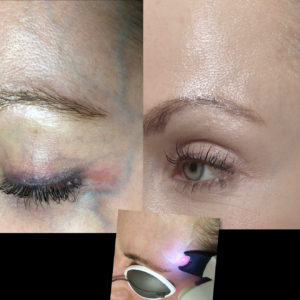
Loose, sagging, bulging tissues of the eyelids can make the eye appear smaller and lead to others asking if you are tired or stressed. Blepharoplasty or eyelid surgery removes excess loose skin and fatty tissue that produces sagging and heaviness of the upper or lower eyelids. The eye appears larger, less tired, more open, and brighter.

Liposuction (Neck, Hips, & Abdomen)

Liposuction is a contouring procedure that removes bulges to achieve a more aesthetic blending of body outlines. The type of physical appearance men desire can be counteracted by age, heredity,lack of exercise, and poor eating habits. Long lasting results are achieved when surgery is combined with a program of fitness and nutrition. Liposuction removes excess localized fat deposits through tiny incisions using small tubes or cannulas. The overlying skin contracts to fit the new profile. Areas such as the neck, hips and abdomen are the most often targeted areas for men.

Before

6 months after liposuction of the hips

Gynecomastia (Chest)

36 year old male with gynecomastia

8 months after gynecomastia surgery

Excessively large male breasts, known as gynecomastia, can produce a feeling of self-consciousness about body image that can inhibit lifestyle choices and daily activities. In most cases, the glandular and fatty tissue enlargement of the male breasts begins during puberty. It is usually a benign condition, but can be associated with hormonal abnormalities that may need additional evaluation. Gynecomastia procedures improve the large breast size by reducing the volume and prominence of the breast fatty tissue using liposuction and directly removing excess glandular tissue via an incision at the lower edge of the areola. Skin excision is rarely necessary as it will generally retract during the healing phase. In addition to the improved appearance, patients also find they are comfortable participating in social or sports activities that they were either unable or unwilling to do before surgery. During your consultation Dr. Forley will discuss and recommend those options that he feels will give you the best result.

Contact Us | Back to Top

ANTI-AGING: WHAT TO EAT TO HELP KEEP YOU YOUNG

December 26th, 2011

A few guidelines to help keep you healthy and looking young are: reduce your calorie consumption and your saturated fat intake; eat plenty of whole grains, oily fish, and fresh fruits and vegetables; cut down on salt and sugar intake. In addition, here is a list of ten foods that you should include in your diet on a regular basis.

Avocado The avocado is a good source of healthy fats that may contribute to reducing your cholesterol levels. It is loaded with vitamin E, which helps to maintain healthy skin and prevent skin aging. It is also rich in potassium, which assists in the prevention of fluid retention and high blood pressure.

Berries Blackberries, blueberries, blackcurrants and black grapes contain phytochemicals known as flavonoids, which are powerful antioxidants that help to protect the body against damage caused by free radicals and aging.

Cruciferous vegetables Cabbage, cauliflower, broccoli, kale, turnip, brussels sprouts, radish, and watercress are all cruciferous vegetables. They assist the body in its fight against toxins and cancer. Eat them raw or lightly cooked so that the important enzymes remain intact.

Garlic Eating a clove of garlic a day is felt to contribute a protective benefit against colon cancer. It can also help to reduce cholesterol levels and assist with blood thinning to reduce the risk of heart disease.

Ginger This spicy root can boost the digestive and circulatory systems, which can be useful for older people. Ginger may also help to alleviate rheumatic aches and pains. It is also believed to help in lowering blood cholesterol levels.

Nuts Walnuts and Brazil nuts are particularly good sources of minerals. Walnuts, although high in calories, are rich in potassium, magnesium, iron, zinc, copper, and selenium. Adding nuts to your diet can enhance the functioning of your digestive and immune system, improve your skin, and help control cholesterol. The antioxidants quercetin and campferol are found in nuts and may help decrease the risk of cancer.

Soy It has been suggested that the isoflavones in soy may alleviate menopausal hot flashes and protect against Alzheimer’s disease, osteoporosis, and heart disease. Look for fermented soy products, which are more easily digested and therefore more beneficial.

Whole-wheat pasta and rice Complex carbohydrates provide a consistent supply of energy throughout the day and should make up the bulk of your diet. Whole-wheat pasta is an excellent complex carbohydrate. It is high in fiber and contains twice the amount of iron as normal pasta. Brown rice is another recommended complex carbohydrate, which is high in fiber and B vitamins.

Watermelon Both the flesh and seeds of the watermelon are a good source of nutrition. The flesh contains vitamins A, B, and C; the seeds contain selenium, essential fats, zinc, and vitamin E which all help against free radical damage and aging. The watermelon seed can be eaten as a snack after being salted and baked. A nutritious tea can also be made by adding boiling water to seeds that have been crushed.

Water Drink at least 8 glasses of water every day in order to remain healthy. Water helps us to get rid of the toxins and unwanted waste materials from the body. Do not rely on thirst; this sensation diminishes with age. Choose from nutritious liquids including 100% fruit and vegetable juice, skim or low fat milk, broths, sparkling water, and teas. You can also get fluids from foods, especially those that are liquid at room temperature. Try gelatin, frozen yogurt, soups, watermelon, pickles, oranges, lettuce, and tomatoes.

Contact Us | Back to Top

ANTI AGING: VITAMINS-THE FOUNTAIN OF YOUTH?

December 16th, 2011

Although the use of megadoses of vitamins remains controversial, a select group of vitamins have the potential for anti-aging benefits that will improve not only your appearance but also your health in a number of ways. Even when it’s healthy, your skin wrinkles, discolors, and sags as it ages. Fortunately, there are ways to repair and firm up your skin, improve its color, and reduce some of those age-related wrinkles. While vitamins aren’t going to stop you from aging, the right ones can help slow the process down, assist in keeping you healthy late into life, and contribute to a more youthful appearance. Below, we discuss five of the top anti-aging vitamins that you should know about.

Vitamin E – Vitamin E is a fat-soluble compound that repairs dry, cracked skin when used as a cream or lotion. It helps skin retain moisture and is often added to sunscreens because it protects the skin against UVB damage. Free radicals, which are produced from sun exposure, when you digest certain foods, or are exposed to pollution, cigarette smoke or radiation, are damaging to other cells and the tissues they form. Vitamin E is an antioxidant that functions by neutralizing the destructive potential of free radicals. Proper intake of vitamin E helps limit the harmful effects of free radicals. Vitamin E also improves the functioning of your immune system and prevents blood from clotting unnecessarily, lowering the risk of stroke or heart attack. It also helps to prevent LDL cholesterol from contributing to atherosclerosis. You can get vitamin E through nuts, seeds, green leafy vegetables, and vegetable oils (such as soybean, canola, and corn). Vitamin E is also available in a variety of supplements and topical applications.

Vitamin C – Vitamin C is another antioxidant that helps prevent the damage produced by free radicals. Not only is vitamin C an antioxidant, it helps to regenerate other antioxidants in the body, including vitamin E. When applied topically, vitamin C also helps protect your skin against the damaging effects of UV rays. Vitamin C  improves collagen, giving your skin a more firm and youthful appearance. Vitamin C has cancer-preventing qualities and there is evidence that it reduces the onset of cardiovascular disease. Additionally, some studies have suggested that vitamin C delays or even prevents the formation of age-related cataracts and macular degeneration. Fruits and vegetables (especially citrus and potatoes) are excellent natural sources of vitamin C.

Vitamin K – As you get older, dark circles may start appearing under your eyes. Vitamin K helps with one common cause of this problem: the leaking of capillaries around the eyes, which results in the pooling and clotting of blood. Researchers believe that vitamin K aids in the constriction of capillaries, breaking up the tiny blood clots that form the circles. Vitamin K likely won’t be a cure-all for under-eye circles, but getting your fair share of this vitamin should be part of your treatment plan. Your body produces small amounts of vitamin K on its own, but you can use more than your body can provide. Vitamin K can be consumed as a supplement, as part of a multi-vitamin, in the form of topical creams, or through your diet. Kale, lettuce, spinach and broccoli are all excellent sources of vitamin K, as are non-hydrogenated vegetable oils.

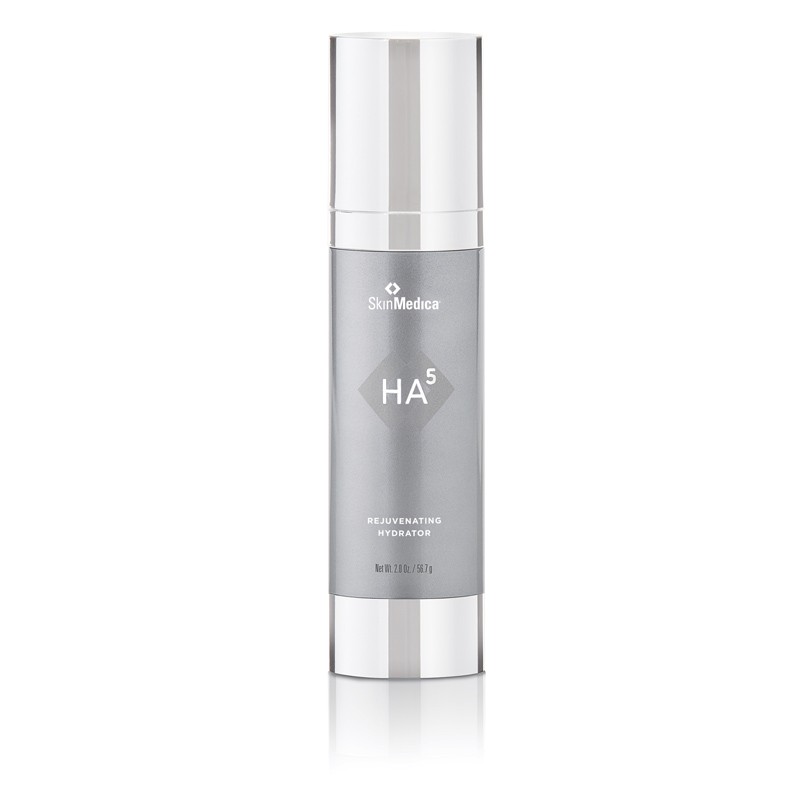
VitaMedica Anti-Aging Formula of vitamins and supplements for daily use

Niacin - Niacin, one of the B vitamins, has several anti-aging properties. One visible way it helps you as you age is by increasing your skin’s ability to retain moisture. Moist skin not only looks healthier, it actually helps you stay healthier by providing a strong, unbroken barrier against viruses, bacteria, and other harmful substances in the environment. In addition to restoring moisture to your skin, niacin also acts like an exfoliant, helping your skin in sloughing off dead cells as newer cells move toward the surface. Niacin counteracts the effects of aging inside your body as well. It raises your “good” cholesterol and lowers triglycerides (fats in your blood that contribute to your overall cholesterol count). In doing so, niacin can potentially help lower your risk of heart disease. Niacin also plays a major role in converting food into energy. You can find niacin in lots of common foods, including poultry, eggs, meat, fish, nuts, and enriched breads.

Vitamin A – Topical solutions with vitamin A (such as retinol creams) have been shown to reduce signs of sun damage and skin aging by stimulating exfoliation, improving collagen, and reducing fine lines and wrinkles. Vitamin A intake can also help with circles under the eyes, much as vitamin K does. Vitamin A is important for your overall bone health, helping to offset the effects of osteoporosis with aging.

Contact Us | Back to Top

ANTI-AGING: EXERCISE-KEEPING YOU YOUNG

November 25th, 2011

Lack of exercise is a major factor that contributes to the onset of many of the infirmities associated with the aging process. It is estimated that muscle mass declines about 22% in women and men between the ages of 30 and 70. Inactivity leads to the loss of muscle tone and strength. As your muscles deteriorate, your posture changes and your tissues sag due to the lack of underlying support provided by a strong, toned musculature. Lack of exercise can also lead to cardiac and metabolic related health problems, such as diabetes. A sedentary lifestyle results in a decrease in bone density that can alter the vertebrae of the spine in a way that produces a loss of height and chronic pain. Bones and joints become more fragile leading to an increased risk of fractures and joint replacement surgery.

Modifications in our behavior can have a significant impact on how well we face the aging process. For those that want to look and feel younger, exercise is key to maintaining not only a healthy, youthful appearance but also a positive outlook on life. Taking the time to care for your body through a regular exercise schedule will reduce the consequences of aging. Below, we list four topics to consider when deciding on an exercise program to keep you fit, youthful, and healthy.

Weight Management and Exercise
Excess body fat is common in today’s world. Little of what we do requires rigorous physical activity, and most of our leisure time is spent in front of the computer or television. Results from the 2007–2008 National Health and Nutrition Examination Survey (NHANES), using measured heights and weights, indicate that an estimated 34.2% of U.S. adults aged 20 years and over are overweight, 33.8% are obese, and 5.7% are extremely obese. Excess body fat can lead to health problems such as coronary heart disease, high blood pressure, osteoporosis, diabetes, and arthritis. Obesity can have a negative impact on both health and longevity. A routine exercise program is important to enable you to lose weight or to maintain your current healthy body weight. A minimum of thirty minutes of moderately intense exercise five days a week or twenty minutes of vigorous physical activity three days a week is a good starting point. Read our blog for suggestions on exercises you can do at home.

Bone Density and Exercise
It is normal to lose and replace calcium in your bones throughout life. However, after age 35 the loss of calcium begins to exceed the replacement. Menopause increases the rate of this calcium deficit in women. You can improve your bone health and bone density by exercising. Three characteristics of exercise that have the largest impact on increased bone density are: 1.) strain magnitude of the exercise such as gymnastics or weightlifting, where the force or impact of the exercise is greatest 2.) strain rate of the exercise such as jump training, known as plyometrics, where the rate at which the impact is felt is high and 3.) strain frequency of the exercise such as running, where the impact to the bones occurs repeatedly during the exercise session. The combination of these three aspects of exercise play a role in developing greater bone density in as little as 12 to 20 minutes of weight-bearing exercise, three days a week. This type of activity appears to stimulate bone formation and retain calcium in the bones that are bearing the load. The force of muscles pulling against bones stimulates this bone-building process. So any exercise that places force on a bone will strengthen that bone and counter the tendency to develop osteoporosis as we get older.

Physiological Health and Exercise
An inactive lifestyle is one of the major risk factors in the development of cardiovascular disease, as outlined by the American Heart Association. Evidence from many scientific studies shows that exercise can decrease the chance of having a heart attack, a stroke, or needing heart surgery. The benefits of regular exercise on cardiovascular risk factors are an increase in exercise tolerance, reduction in body weight, reduction in blood pressure, reduction in bad (LDL and total) cholesterol, increase in good (HDL) cholesterol, and a reduction in adult onset diabetes. The physiological benefits of exercise are the improvements in muscular function and strength and improvement in the body’s ability to take in and use oxygen. As one’s ability to transport and use oxygen improves, regular daily activities can be performed with less fatigue. This is particularly important for patients with cardiovascular disease, whose exercise capacity is typically lower than that of healthy individuals. There is also evidence that exercise training improves the capacity of the blood vessels to dilate in response to exercise or hormones, consistent with better vascular wall function and an improved ability to provide oxygen to the muscles during exercise.

Mental Health and Exercise
One theory for some of the benefits of exercise is that it triggers the production of endorphins. These natural opiates are chemically similar to morphine. They may be produced as natural pain relievers in response to the shock that the body receives during exercise. Some studies have found that exercise boosts activity in the brain’s frontal lobes and the hippocampus. Exercise has also been found to increase levels of “brain-derived neurotrophic factor” (BDNF). This substance is thought to improve mood, and it may play a role in the beneficial effects of exercise. BDNF’s primary role seems to be to help brain cells survive longer, so this may also explain some of the beneficial effects of exercise on reducing the risk of dementia.

The bottom line is that most of us feel good after exercise, which is a strong incentive to make this age-defying activity a part of your daily routine.

Contact Us | Back to Top

ANTI-AGING: SUPPLEMENTING HUMAN GROWTH HORMONE-IS IT SAFE?

November 13th, 2011

The proper functioning of our body is partially due to the effect of hormones. They are chemical messengers that allow for stimulation, regulation, and control of the different organ systems in the body and are produced and released by specialized cells in our glands. The natural decline in levels of human growth hormone (HGH) as we get older can result in premature aging, loss of lean body mass, lower levels of energy, and many other aging-related symptoms. HGH is responsible for stimulating tissue repair, cell replacement, and brain and enzyme functions. HGH supports continued growth of the body until adulthood and also plays an important role in keeping metabolism efficient.

A study of 12 men who received HGH injections for 6 months was published by Dr. Daniel Rudman in the New England Journal of Medicine in 1990. This report measured lean body mass, adipose or fat mass, and lumbar spine bony density. Muscle strength, exercise endurance, and quality of life were not assessed. As a result of this early, limited study, an entire industry was borne that claimed aging can be reversed by using HGH. A subsequent study in 1996 by MA Papadakis of 52 healthy men with an average age of 75 showed improved body composition with an increase in lean body mass and a decrease in fat mass but no improvement in functional ability and increased frequency of side effects with use of HGH.

Hormone levels are constantly fluctuating and are tightly regulated by the body to maintain the proper balance. Altering this highly intricate mechanism of regulation by adding supplements, especially without appropriate medical supervision, can have unintended consequences.

Synthetic HGH, prescribed and administered by some doctors in the form of injections, has been claimed to increase bone density and muscle mass, smooth out wrinkles, improve sexual performance, and increase weight loss. The potential dangers of these injections include headaches, fluid retention leading to heart failure, insulin resistance, and gynecomastia (male breast enlargement). Long term use may result in acromegaly (overgrown and elongated bones), carpal tunnel syndrome, arthritis, and diabetes.

HGH injections can cost more than $15,000 annually, are potentially dangerous, and may suppress the natural production of HGH by your body. A better alternative would be to practice high anaerobic exercise to lose body fat and gain muscle strength both safely and inexpensively. The human body has the natural ability to combat aging-associated weight gain by producing HGH; it just takes effort to release it. High intensity strength training is the primary method for generating HGH in the body. In addition, adequate sleep is also important in order to create HGH. Studies show that growth hormone is produced during the later stages of sleep at night and a decrease in the hours you devote to sleeping can result in a decline in HGH production. Being under constant stress can also result in a decline in HGH production.

According to a July 2010 report from the National Institute on Aging, a leading federal agency for aging research,“to date, no research has shown that hormone replacement drugs add years to life or prevent age-related frailty”. Until more is understood about HGH supplements, caution would be the prudent approach. Falling prey to unsubstantiated claims can be avoided by researching the science and ignoring the hype.

Contact Us | Back to Top

MY SAGGING NECK: WHAT ARE MY OPTIONS?

October 26th, 2011

There are several procedures, both surgical and nonsurgical, that can improve a sagging neck. The most common cause of the sagging appearance is loose skin, which is often hereditary and can be more pronounced after a rapid weight loss. Gravity also takes its toll on the formerly taut neck of youth. A history of sun exposure contributes to laxity due to its negative effect on skin elasticity. Excess fat deposits will alter the contour of the neck by producing a bulge. The edges of the platysma, a thin muscle that lines the neck, develop the appearance of thickened cords below the chin and become more prominent with age. We will discuss three options used by Dr. Forley to treat the sagging neck.

Ultherapy®

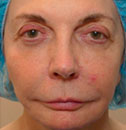
Ultherapy® is a new type of non-surgical treatment that uses ultrasound energy to selectively heat the deep layers of the neck that have lost their elasticity and firmness over time. Because the sound waves pass directly below the surface of the skin, the deep support layer responsible for sagging is tightened without affecting the outer skin layer.

Before and 1 Month After Ultherapy of Face & Neck

Following an Ultherapy® treatment, the building of new collagen occurs gradually over the following two to three months. Significant lifting results can be seen due to the combination of contraction of the tissues and new collagen formation. Ultherapy® is often recommended in the early stages of neck aging when surgery is not yet indicated.

Liposuction

Liposuction can be used to remove excess localized fat deposits in the neck and to define the jawline.

Before

After Liposuction of Neck

The desired amount of unwanted fat is removed through a small incision under the chin using a cannula, a specialized tube for liposuction. Skin contraction is stimulated by the procedure so that mild laxity will usually not require any additional tightening procedures. Potential bruising and swelling can be limited by use of a compression band for 2-3 days. Many patients return to work within a few days.

Neck Lift

A neck lift restores the contour and appearance of a youthful neck by removing excess fat and tightening the loose skin and muscle that causes a loss of definition.

Before

After Neck Lift

To reposition your neck tissues, skin and deeper layers of the face are first very carefully mobilized using incisions located behind the ear. Excess fat may be sculpted using liposuction to further improve the result. The neck bands are treated by use of a specialized row of stitches under the skin to provide better muscle support and optimal contour of the neck.  Excess skin is removed and the incisions are carefully closed to produce fine, minimally apparent scars.

In some cases, more than one factor is responsible for a sagging neck, and a combination of procedures may be necessary. Dr. Forley will discuss the best options for your individual needs during your consultation.

Contact Us | Back to Top

ANESTHESIA EXPLAINED

October 18th, 2011

Anesthesia involves the use of medicines to block pain sensation during surgery, alter your level of consciousness, and reduce many of your body’s normal stress reactions to the procedure being performed.

The type of anesthesia used for your surgery depends on the extent of the surgery, your medical and allergy history, physical exam, and blood tests. There are four types of anesthesia that Dr. Forley uses for cosmetic procedures: local, IV sedation/twilight, general, and epidural.


Local Anesthesia

Minor surgical procedures can be successfully performed using local anesthesia alone. Dr. Forley administers local anesthetics directly into the surgical area with a small needle, resulting in an immediate numbing effect that lasts up to 60 minutes. At times, small doses of epinephrine are added to constrict the blood vessels, produce less bleeding, and allow the anesthesia to last twice as long.

During liposuction, a technique called tumescent anesthesia is commonly used. A large volume of fluid containing lidocaine and epinephrine is injected into the surgical area. The area remains numb throughout the procedure and frequently for several hours afterwards. This technique is usually combined with intravenous sedation/twilight anesthesia to maximize your comfort during surgery.

Intravenous Sedation

Intravenous (IV) sedation also known as “twilight anesthesia” is a safe and effective method for more extensive surgical procedures that require you to be more relaxed or asleep and is performed by a board certified anesthesiologist in Dr. Forley’s Joint Commission accredited office based surgery facility. Precise amounts of sedating and anesthetic medication are delivered while your comfort level and vital signs are carefully monitored. IV sedation is typically combined with injections of local anesthetic at the surgical site for additional pain control and to minimize bleeding.

IV sedation is a good middle ground between local anesthesia and general anesthesia and is often preferred over general anesthesia because patients recover more quickly with fewer side effects. Furthermore, the anesthesia can be lightened, if desired, to a level called conscious sedation during which you remain awake but your awareness of what is happening to you is decreased. Once the medication is turned off, you will wake up rapidly.

General Anesthesia

General anesthesia is a method of enabling deeper anesthesia that is typically used for more complex or longer surgical procedures. This type of anesthesia is done at the hospital by an anesthesiologist and is administered intravenously or by inhaling medication to provide pain relief, muscle relaxation, and amnesia. During the procedure, you will be carefully monitored by the anesthesiologist.

The advantage to general anesthesia is that it allows you to remain motionless for long periods of time. The disadvantage is the increased risk of side effects, complications, and a longer recovery period. Although the medication dosage is always adjusted for variations in weight and health status, the risk for complications increases when medical problems such as heart or lung disease, obesity, malnutrition, or liver damage are present.

Epidural

An epidural uses a catheter to inject local anesthetic into the epidural space surrounding the spinal cord. The catheter is sited in the lumbar area of the spine and enables procedures to be performed safely once the numbing effect on the nerves, which transmit pain signals from the abdomen and lower body, is in place. Dr. Forley will usually combine an epidural with twilight sedation anesthesia to maximize your comfort during tummy tuck and thigh lift procedures.

Contact Us | Back to Top

OFFICE BASED SURGERY ACCREDITATION BY THE JOINT COMMISSION

October 9th, 2011

Dr. Forley provides the convenience and privacy of an office based surgery facility for his cosmetic surgery patients. His facility is fully accredited by The Joint Commission, an independent, not-for-profit organization, founded in 1951, that strives to improve healthcare outcomes by developing the highest standards for quality and safety in the delivery of health care. Accreditation means that Dr. Forley’s office based surgery facility regularly undergoes a challenging and comprehensive evaluation by an independent reviewer who visits the facility.

By setting expectations that are reasonable, achievable and surveyable, The Joint Commission provides the foundation of a process that helps health care organizations measure, assess and improve performance. Input from multiple sources is used in the ongoing development of new standards related to patient safety or quality of care that will have a positive impact on health outcomes. The on-site survey process focuses on evaluating actual care processes by tracing patients through the care, treatment and services they received. The review monitors how well the following key components are met prior to the awarding of Joint Commission accreditation:

•a safe environment is provided for your care

•you are educated about the risks and options for your diagnosis and treatment

•your rights as a patient, including your privacy rights, are protected

•your condition, before, during and after diagnosis and treatment is properly evaluated

•appropriate procedures are in place to protect you against infection

•preparation for emergency situations are of the highest standard

Although the majority of Dr. Forley’s cosmetic surgery procedures are performed in his office surgery facility, he also has hospital privileges at Beth Israel Medical Center, New York Eye & Ear Infirmary, and St. Luke’s – Roosevelt Hospital Center. Both office and hospital options are available to all patients, and will be discussed during your consultation.

Contact Us | Back to Top

BREAST IMPLANT UPDATE: THE FDA HEARING

October 1st, 2011

The General and Plastic Surgery Devices Panel of the Medical Devices Advisory Committee to the Food and Drug Administration (FDA) met in August 2011 to discuss and make recommendations on issues related to silicone-gel filled breast implants. Dr. William Maisel, chief scientist for the Food and Drug Administration’s Center for Devices, re-confirmed the FDA judgment that silicone-gel implants are safe and effective for their intended use in breast augmentation.

The FDA placed restrictions on the use of silicone-gel implants in 1992 due to concerns about a possible link to autoimmune disease such as rheumatoid arthritis and lupus. Clinical trials conducted over the next decade failed to show any evidence of an increased incidence of these conditions in women with breast implants. In November 2006, supported by scientific evidence, the FDA removed the 1992 restrictions on the use of silicone-gel implants made by Mentor and Allergan. As an additional safety measure, the FDA required companies to conduct decade-long studies of their implants’ performance. The FDA has also looked at the studies conducted to gain approval, which have longer and better follow-up than those launched after the 2006 decision. Other studies published in the scientific literature and reports of adverse events helped complete the picture, Maisel said.

When considering both current and future post approval study designs for silicone-gel implants, the panel discussed methodologies and strategies that could increase compliance with follow-up. As discussed in a number of questions about methods and data collection, the panel felt that a breast implant registry of all women who receive the device may provide a means to answering many of the longer term and real world questions, in particular the questions associated with rare adverse events.

The FDA and the Devices Panel consider MRI as the gold standard for evaluating breast implants for evaluation of rupture. However, a 2006 requirement for regular MRI follow up studies following breast augmentation was deemed by the panel to be expensive and unnecessary. Dr. Forley advises his patients to return for annual follow up exams. They are also encouraged to see Dr. Forley in the interim if there is any change in the appearance or feel of the breasts after surgery.

Contact Us | Back to Top

STEM CELLS AND PLASTIC SURGERY

September 24th, 2011

Numerous web and television media and marketing campaigns regarding “stem cells” in facial rejuvenation procedures have raised the public’s awareness of the potential benefits of using these cells in our efforts to reverse the visible signs of aging.

In order to address concerns emerging from claims relating to stem cell therapies in aesthetic plastic surgery, a joint task force of the American Society for Aesthetic Plastic Surgery (ASAPS) and the American Society of Plastic Surgeons (ASPS) was created. The task force was charged with examining the scope of treatments offered to patients and the available scientific evidence that supports the use of stem cells in aesthetic plastic surgery procedures and for the enhancement of fat grafting.

The scientific rationale for the use of adult stem cells in aesthetic procedures is based upon the ability of these cells to assist in the process of healing and regenerating tissues by the release of growth factors. However, clinical potential does not necessarily result in improved outcomes. The public fascination with stem cells and a growing internet presence has produced increasing concerns regarding advertising claims that have not been substantiated by scientific evidence including:

  • The implication that a better outcome will be achieved when stem cells are used in aesthetic surgery procedures.
  • Claims that stem cells can improve skin quality and fat grafting results.
  • Widespread marketing and promises of improved results using search terms that lack a defined meaning. For example, a Google search for “stem cell facelift” yields 197,000 results.
  • A lack of consistency in technique on how “stem cells” are incorporated into aesthetic procedures.
  • Claims of activating stem cells through methods that have not been verified for safety or using technology that is not FDA approved.

Currently, unconfirmed claims are being made and, unfortunately, patients and physicians are being bombarded with false and misleading “scientific evidence” that a device or procedure is “medically proven”. While the scientific interest for the potential impact of stem cells seems justified, the great hope currently placed on stem cell therapies makes the public vulnerable to deceptive marketing.

Because of these claims, the task force has made the following recommendations to members of ASAPS and ASPS and their patients:

  • The marketing and promotion of stem cell procedures in aesthetic surgery is not adequately supported by clinical evidence at this time.
  • Until further evidence is available, stem cell therapies in aesthetic and reconstructive surgery should be conducted within well-controlled clinical studies that comply with current guidelines for human medical studies.
  • Extreme caution should be exercised when a physician is promising results from any treatment that sounds too good to be true.

Contact Us | Back to Top